The Boundless Mind
Why and how pop-ups work
Date:
November 22, 2024

Inside the pop-up economy, and the hunger it’s actually feeding
Here’s what’s really happening when a line forms around the block for a shop that’s only open for two weeks. It’s not really about what’s inside. It’s about how starved people have become for being in a room with other humans, and how badly they want that room to belong to a brand they actually love. Years of living most of life through a screen, followed by an entire pandemic spent apart from each other, left a hunger that a notification was never going to satisfy, the hunger for something real, something you can touch, something you can stand inside with other people who get it too. Pop-ups didn’t invent that hunger. Brands just figured out how to craft a reason to show up and follow through.
Why now, specifically
People spent years being told their social life, their shopping, their entertainment, even their friendships could all happen perfectly well from a couch. Then a pandemic made that the only option for over a year, with no choice involved. Coming out the other side of that, an entire population had been starved of something basic, shared physical space with other people, and that kind of hunger doesn’t fade quietly once restrictions lift. It shows up as a genuine, almost physical pull toward anything that promises real presence again, a market, a queue, a room full of strangers who showed up for the same reason you did. Pop-ups landed at exactly the moment that pull was strongest, and the timing isn’t a coincidence; it’s most of the explanation.
What’s actually built into the space of a pop-up
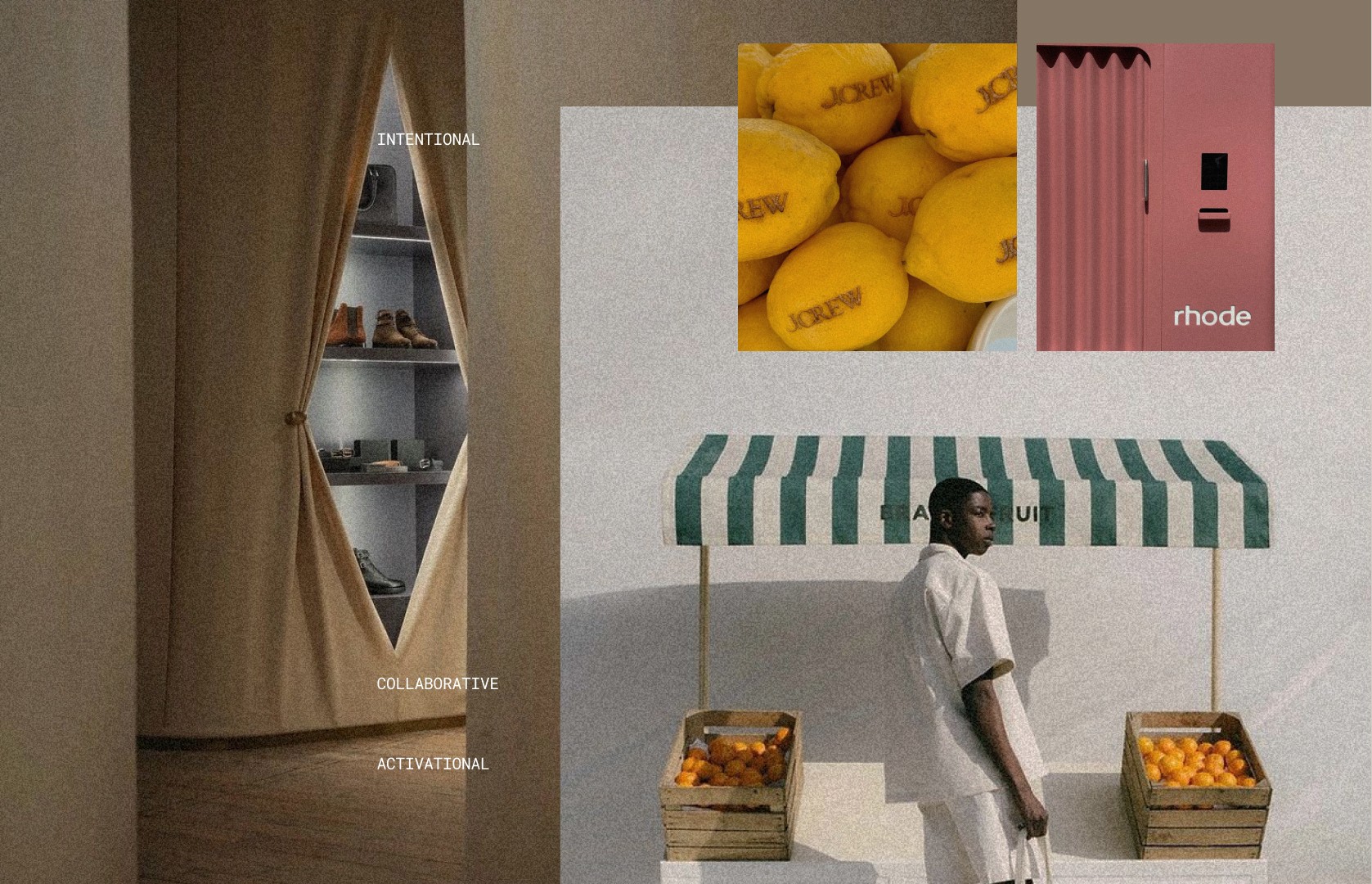
None of what happens inside one of these spaces is accidental, and it’s worth walking through plainly because the mechanics matter more than the mood board. The free tote bag or the candy at the door isn’t generosity, it’s a reason to keep talking about the visit after you’ve left, a small piece of the brand that travels home with you. The queue down the street isn’t a planning failure; it’s free press and a built-in FOMO machine, since a line gets photographed and shared as user-generated content by people who haven’t even gone inside yet. The location gets picked for footfall, not charm, the busiest corner a brand can afford, so the activation gets seen by thousands who never planned to stop. And the layout almost always steers you past the actual products for sale before you leave, because the warm feeling the room gave you needs somewhere to land, and that’s usually right next to check-out counters, which is the entire point of the conversion path.
None of this is subconscious from the brands building it. They know exactly which feelings they’re working with: belonging, urgency, the simple relief of being looked after in person, and they build the room to press on all three at once. Rhode’s queues in London weren’t really about the lip gloss being hard to find; they were proof that enough other people wanted to belong to that moment that you’d wait hours to join them. IKEA did something similar with its plain blue shopping bag, the one everyone already owns, selling a limited, numbered version of it on Oxford Street and watching people queue for a bag they could otherwise get for free in any store. The bag wasn’t the point. Being one of the people who got the something sought after while participating alongside like-minded individuals was the point.
Limited time does more heavy lifting than you would guess
Here’s the part that actually surprised the researchers who studied it. It’s not the design, the lighting, or the experience built inside a pop-up that gets people through the door; it’s the closing date. Studies comparing pop-ups against equally well-designed permanent stores found that the deadline itself is what drives people to show up, and it works on completely different shoppers for completely different reasons. People who don’t normally care about owning something rare still end up purchasing, especially when there’s a deadline attached. On the other hand, people who do care about being unique go straight for whatever’s most limited in the room. Either way, the clock is doing the work and pushing. The room never had to be that special or groundbreaking. It just had to have tasteful execution and an expiration date.
Capitalising on a humanistic need within this whitespace
Well-themed activation of a trend, along with enticing sales mechanics, a deliberate flooding of social media content regarding this once-in-a-blue-moon frequency of a pop-up, set in an area where footfall is guaranteed, will bring the crowds. And with that, the word of mouth, backed by strategic social media timing and engaging content, is more than enough to send a brand viral if it hasn't already done so prior. When done right, with all of its gears clicking and going into high drive, that is more than enough proof the marketing department needs to get the approval and subsequent resources.
Step back far enough, and the format itself isn’t really new. People have always built temporary, intense gatherings, festivals, markets, weekends away with friends, and felt closer to strangers inside those windows than they do most of the rest of the year. Brands didn’t invent that pull either; they just worked out how to rent it for a fortnight, dress it in their own colours, and hand out a tote bag on the way out.
What this world of pop-ups reveal about us
For anyone building a brand, the lesson underneath the retail specifics is straightforward. Test a belief in something small, reversible, and time-boxed before betting the full budget on it, since the cost of being wrong shrinks once the format already has a built-in exit date. And the deeper point about always being available applies far outside retail, too. Constant access isn’t automatically a strength, and being a “little harder to get” might be able to do some heavy lifting in the long run.
The bigger truth underneath all of it is simpler than it is made to sound. People aren’t really craving more places to shop. They’re craving more real, tangible, shared time with people and brands they actually care about, the kind of time a screen has never been able to deliver, no matter how good the screen gets. Brands didn’t create that need. They noticed it was sitting there unmet, and built a room around it with purpose and actionable experiences.


