The Boundless Mind
Why is Quiet Luxury Quiet?
Date:
July 4, 2026
There’s a strange detail at the centre of quiet luxury that’s easy to miss because it’s been normalised so fast. The most expensive item in the room is often the one nobody can correctly price.

What the absence of a logo is actually buying you
There’s a strange detail at the centre of quiet luxury that’s easy to miss because it’s been normalised so fast. The most expensive item in the room is often the one nobody can correctly price, because nothing on it is built to be recognised. A brand spends decades and enormous budgets building a logo worth shouting, and then, right at the moment its wealthiest customers have the most to show off, it gets asked to whisper instead. That’s the part worth sitting with, not whether quiet luxury is real, it clearly is, but why silence became the thing luxury reaches for precisely when the stakes are highest.
The logo was never the point; safety was
Showing wealth has never been free of risk; it’s just that the risk used to run the other way. For most of the twentieth century, a visible logo was a shortcut to status precisely because so few people could afford one, so wearing it loudly cost the wearer very little and bought them a lot. That equation only holds while the gap between owning the logo and affording the logo stays wide. Once mass manufacturing, financing, and counterfeiting closed that gap, the logo stopped doing useful work for the people at the very top, because now almost everyone could wear one.
So the wealthiest stopped competing on who could be loudest and started competing on who could be recognised without saying anything at all. A muted cashmere coat with no name on it only works as a signal if the person looking at it already knows what that fabric feels like, which means the message was never really meant for everyone. It was built to be missed by most people and caught only by the few who already belonged. The absence of a logo isn’t really an absence; it’s a more expensive lock.
Why Now, Specifically
Quiet luxury isn’t a new invention; it’s a recurring weather pattern, and it tends to arrive right after a period when loud wealth became socially expensive to display. The same pivot toward restraint showed up after the 2008 financial crisis, when overt spending against a backdrop of widespread job losses read as tone deaf rather than aspirational, and it’s showing up again now for a similar reason, persistent inflation, visible inequality, and a social media environment far less forgiving of flex culture than it was a decade ago. When the gap between the rich and everyone else becomes a constant, loud public topic, the rich have a strong incentive to stop supplying the visual evidence for the argument.
What’s different this time is how far down the income ladder the aesthetic has travelled. Quiet luxury hasn’t stayed contained to the people who can actually afford it; it’s been adopted as a look anyone can copy with the right colour palette and a few well chosen basics, which is how an entire generation ended up dressing like old money on a young money budget. That’s not really a contradiction; it’s the logical next step. Once restraint becomes the marker of taste rather than the logo, restraint itself becomes copyable, and the look spreads exactly the way logos used to.
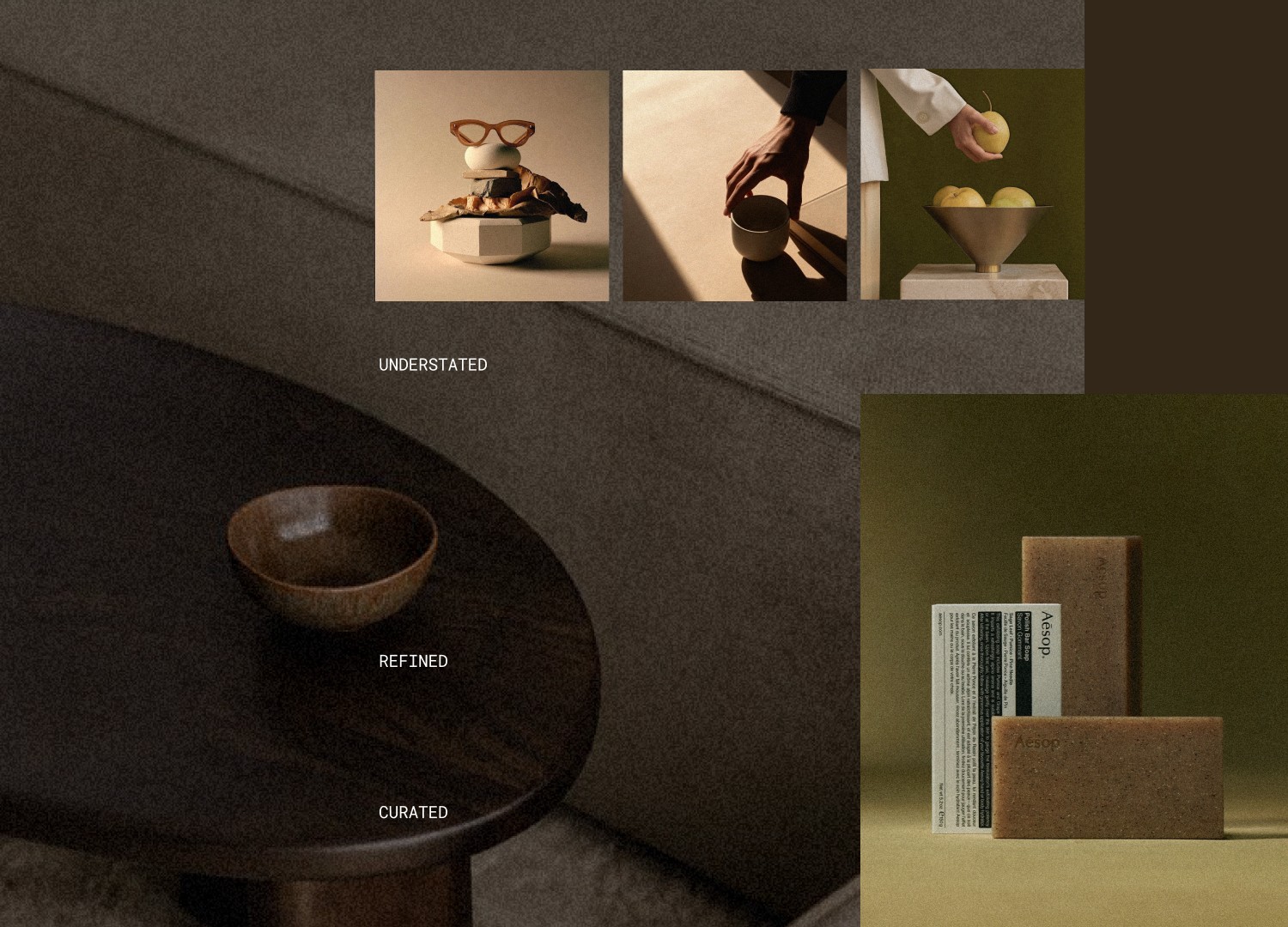
Is quiet the new moral high ground?
There’s a part of this that’s rarely said out loud; quiet has started to read as a character trait, not just a styling choice. Someone in plain cashmere reads as composed and established, unbothered by needing to prove anything. Someone with head-to-toe logos, particularly during a period of visible economic strain, can read as insecure or out of touch. The old contrast between old money and new money has been doing this exact
work in culture for a century; the discomfort with wanting to be noticed was never really about what was being worn, it was about what wanting to be noticed says about a person who’s still trying. So yes, there does appear to be an indirect link between dressing quietly and being read as more grounded, more tasteful, even more responsible, even though restraint and good character have nothing necessarily to do with each other. Quiet luxury borrows the appearance of humility without requiring any of the substance.
What quiet actually means, beyond the missing logo
The lack of a visible logo is the most obvious marker, but it’s the smallest part of what’s actually being signalled. Quiet luxury runs on a much longer list of cues, a narrow, muted colour palette that avoids anything bright enough to be noticed from across a room, fabric and construction good enough that the value is felt by touch rather than seen at a glance, silhouettes built to outlast a season rather than chase one, and a marketing language that talks about heritage and craft instead of newness or hype. It also shows up in behaviour that has nothing to do with clothing at all, a reluctance to post the purchase, a preference for stores that don’t look like stores, and a social circle that doesn’t need anything explained in the first place. The whole system is designed so recognition happens silently, between people who already share the same reference points, which is precisely why it excludes more effectively than a logo ever could. A logo can be faked. A felt sense of quality, built over years of actually handling expensive things, is much harder to manufacture on demand.
So what this is actually telling us
Put all of it together, and the real story isn’t about fashion; it’s about what status signalling does once the direct version of itself becomes socially unacceptable. It doesn’t disappear; it encrypts. Late-stage capitalism didn’t make people want status less; it just made the old, loud method of claiming it too risky to use in public, so the system found a quieter, more deniable substitute that does the same job while looking like the opposite of the job. That’s the part worth sitting with longest, because it means quiet luxury isn’t actually a retreat from materialism, it’s materialism that learned to apologise for itself while still getting everything it wanted.
For anyone building or marketing a brand, the lesson underneath that is sharper than it first looks. People don’t stop wanting to be seen as successful just because loudness becomes embarrassing; they just start looking for a version of success that can be claimed without sounding like it’s being claimed. The brands winning that shift right now aren’t selling restraint, they’re selling a more sophisticated alibi, and the ones paying closest attention are already asking what the next alibi will look like once everyone’s learned to read this one.


