The Boundless Mind
Luxury brands now serve coffee. Why?
Date:
July 1, 2026
Coach, Gucci, Dior, Prada, Louis Vuitton, Tiffany, and Ralph Lauren are all in the coffee business now.
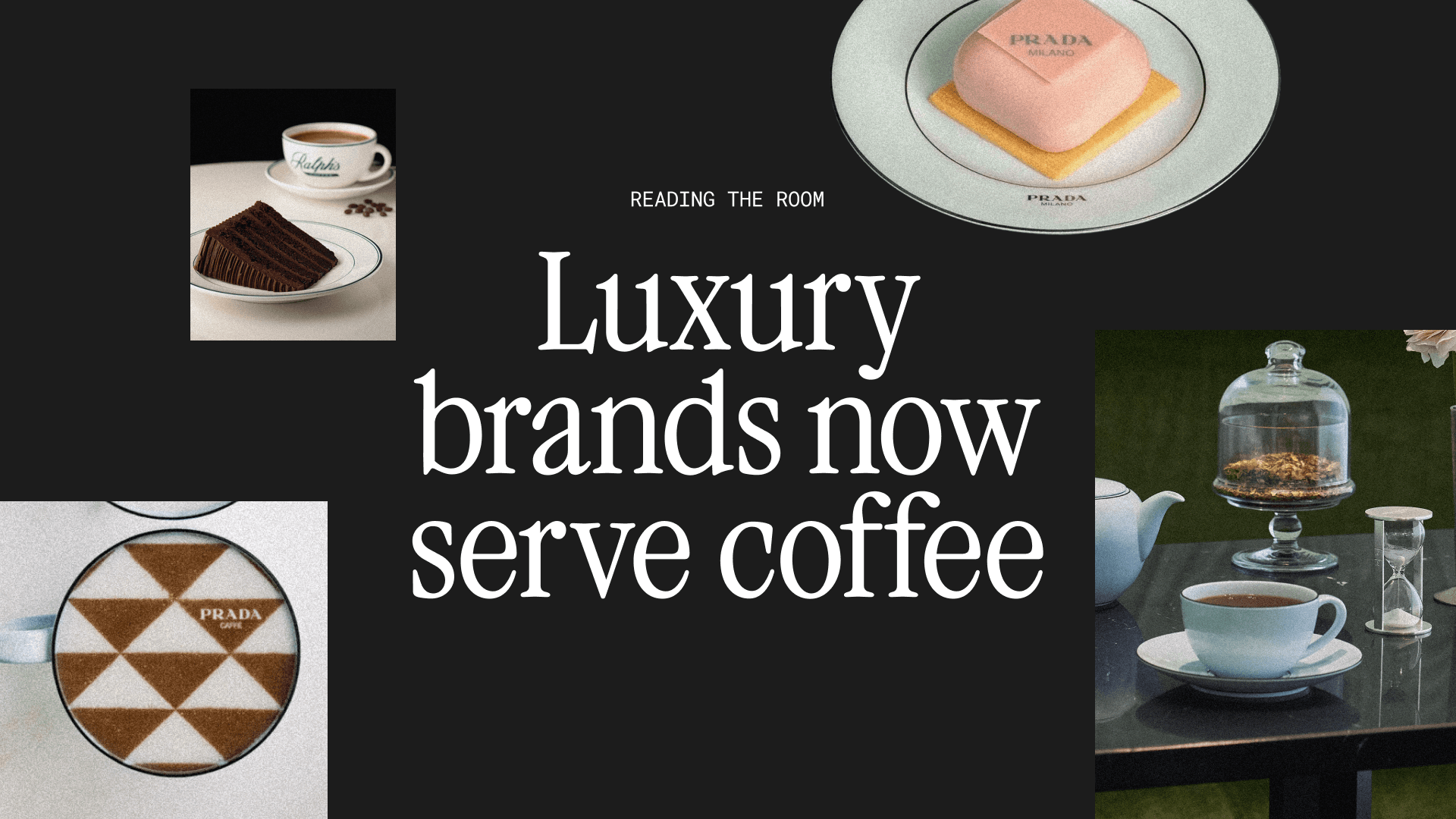
Coach, Gucci, Dior, Prada, Louis Vuitton, Tiffany, and Ralph Lauren are all in the coffee business now.
Before any of that works, you have to get people through the door, and a boutique with sky-high-priced products makes that tough. The price tags do the excluding before a person even touches anything, and most people feel that the second they walk in. A familiar experience in the form of a cafe removes it all. There's no threshold to cross, no judgment at the entrance, just a table you're allowed to sit at for the cost of a coffee. It borrows the oldest idea in hospitality, the third place between home and work, and quietly puts a luxury name on it.
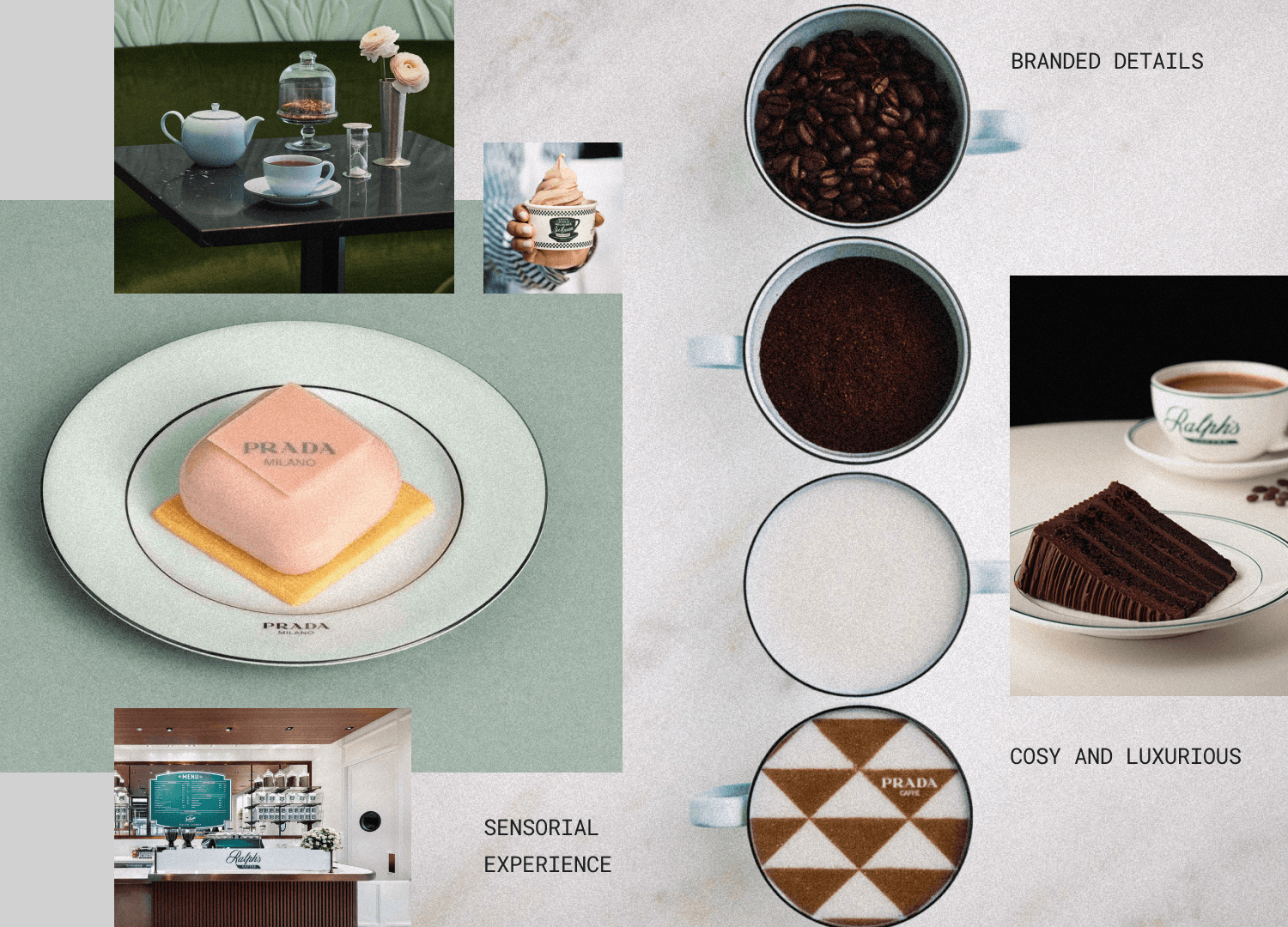
Once someone is inside the cafe (brand) space, the connection stops happening through a logo and starts happening through three things at once: the space they're sitting in, their own body occupying it, and the cup or pastry in their hand. Some brands take this down to the smallest detail, etching an initial into the foam or matching a pastry to their exact signature colour, so the bond becomes something tasted and smelled, not just seen. It ensures a multi-sensorial experience that tangibly anchors the brand into the psyche. And because the price stays relatively affordable, that brand-to-consumer connection established gets to be relatively sustainable on most days of the week instead of once a year.
That familiarity is built to be seen by someone else, too. The brand expression is such that the same cup, the same booth angled for one shot, turns a single visit into quiet proof that you were in, and such tangible social proof that is organic in nature in a familiar setup for a cafe, travels further than any overly constructed advertisement could. So the cafe isn’t just attracting the person sitting inside it, it’s inviting and enticing everyone who then sees the photo to desire that same feeling for themselves. Desire is being instilled in real time over a period of time, before the feeling of need and want is reaped in the near future.
Which is the real shift worth noticing? Luxury isn't becoming cheaper; it's lowering the cost of entry just enough to get you inside, then letting the familiar branded space, the consistent repetition, and the photos do the rest. And almost without exception, that on-ramp sits a few steps from the till, so the warmth built over a coffee has nowhere else to go but back toward the products on the shelf. The cafe isn't a side business; it's the brand new approachable on-ramp itself (a new form of invitation if you will), built to turn occasional admiration into a daily ritual and a habit into a much longer desire for the rest of the brand.
Brands no longer need to compete on exclusivity alone
Brands can now compete on how affordable and convincing they are. A cafe works because it gives someone a low-cost, repeatable, sensory way to experience a brand they could never otherwise afford, builds real familiarity through return visits rather than a single transaction, turns that familiarity into something visibly shareable, and sits close enough to the actual product that the goodwill it creates has somewhere obvious to go. The same logic holds true far beyond fashion and hospitality, so the question any brand manager or marketer can ask of their own offer is simple: what is the most sustainable, approachable, scalable, engaging method someone could experience our brand, and is it placed close enough to what we actually produce for it to ultimately convert to participation in the long run


